

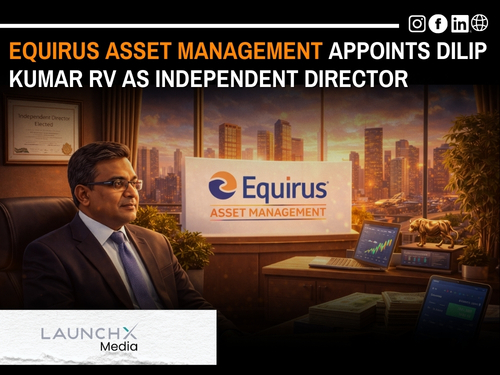

Equirus Asset Management Appoints Dilip Kumar RV as Independent Director
Equirus Leadership Update: 5 Strategic Impacts of Dilip Kumar RVs Independent Director Role
Equirus Asset Management has strengthened its leadership and governance structure by appointing Dilip Kumar RV as an independent director on its board. The move reflects the company’s commitment to improving corporate governance and enhancing strategic oversight as it continues to expand its presence in India’s competitive asset management industry.
- Equirus Leadership Update: 5 Strategic Impacts of Dilip Kumar RVs Independent Director Role
- Understanding the Role of an Independent Director
- Why Leadership Appointments Matter in Asset Management Firms
- The Growing Importance of Corporate Governance in India
- How This Appointment Supports Equirus’ Strategic Growth
- Enhancing Strategic Decision-Making
- Strengthening Compliance and Risk Monitoring
- Supporting Long-Term Business Vision
- The Evolution of India’s Asset Management Industry
- What This Means for Investors and the Financial Ecosystem
- Frequently Asked Questions (FAQs)
- 1. Who is Dilip Kumar RV?
- 2. What is Equirus Asset Management?
- 3. What does an independent director do?
- 4. Why are independent directors important for companies?
- 5. Why did Equirus appoint Dilip Kumar RV?
- 6. How does corporate governance affect investors?
- 7. Are independent directors involved in daily operations?
- 8. Why is governance important in financial institutions?
- 9. How is India’s asset management industry growing?
- 10. What impact do leadership appointments have on companies?
Leadership changes in financial institutions often signal broader strategic goals, including stronger compliance frameworks, improved decision-making transparency, and long-term value creation for stakeholders.
The addition of an experienced professional like Dilip Kumar RV to the board is expected to bring valuable insights to the company’s governance and operational strategy.
Understanding the Role of an Independent Director
Independent directors play a crucial role in maintaining transparency and accountability within corporate organizations. Unlike executive directors, they are not involved in the day-to-day management of the company.
Instead, their primary responsibility is to ensure that the interests of shareholders, investors, and other stakeholders are protected.
Key Responsibilities of Independent Directors
Independent directors typically focus on several core functions within an organization.
Corporate Governance Oversight
They help ensure that the company follows proper governance practices and adheres to regulatory guidelines.
Strategic Guidance
Independent directors provide objective advice to the leadership team on long-term strategic decisions.
Risk Management
They monitor potential risks related to financial performance, compliance, and operational activities.
Shareholder Protection
Independent directors ensure that management decisions align with the interests of shareholders.
For financial services companies such as asset management firms, independent oversight is particularly important due to regulatory scrutiny and investor expectations.

Why Leadership Appointments Matter in Asset Management Firms
Asset management companies operate in highly regulated environments where trust and credibility are critical. Investors entrust these firms with managing their wealth, which means governance standards must remain exceptionally high.
Appointments like this often signal an organization’s focus on strengthening its leadership foundation.
Strengthening Board Diversity and Expertise
A strong board usually consists of individuals with diverse experience in finance, business strategy, regulation, and risk management.
By bringing in professionals with deep industry knowledge, companies can improve their decision-making processes and strategic outlook.
Building Investor Confidence
Investors closely watch leadership changes within financial institutions. The presence of respected independent directors often improves investor confidence because it indicates stronger governance practices.
The Growing Importance of Corporate Governance in India
Corporate governance has become a central focus for companies across India’s financial ecosystem.
Over the last decade, regulators and investors have placed greater emphasis on transparency, accountability, and board independence.
Why Governance Matters More Than Ever
Several factors are driving the growing importance of governance standards.
Increasing regulatory scrutiny
Financial institutions must comply with strict regulations designed to protect investors and maintain market stability.
Global investment flows
International investors prefer companies that follow globally accepted governance practices.
Long-term sustainability
Strong governance frameworks help organizations manage risks and ensure sustainable growth.
Companies that prioritize governance often gain stronger reputations in the market.

How This Appointment Supports Equirus’ Strategic Growth
Equirus Asset Management has been steadily expanding its footprint in India’s financial services sector. As the company grows, strengthening board oversight becomes essential.
Adding an independent director with significant professional experience can support the company in several ways.
Enhancing Strategic Decision-Making
Experienced board members bring fresh perspectives and help leadership teams evaluate complex business decisions.
Strengthening Compliance and Risk Monitoring
Financial institutions must maintain strict compliance standards. Independent directors help ensure that regulatory frameworks are followed consistently.
Supporting Long-Term Business Vision
Boards play a crucial role in shaping a company’s long-term strategic direction.
Through guidance and oversight, independent directors help organizations align operational goals with broader market opportunities.
The Evolution of India’s Asset Management Industry
India’s asset management sector has experienced remarkable growth over the past two decades.
With increasing financial awareness among investors, the demand for professional investment management services continues to rise.
Key Trends Driving the Industry
Several major trends are shaping the future of asset management in India.
Growing retail investor participation
More individuals are entering financial markets and seeking professional investment solutions.
Digital investment platforms
Technology is transforming how investors access financial products and services.
Expansion of wealth management services
Asset management firms are offering diversified investment solutions to meet evolving investor needs.
In such a dynamic environment, leadership strength and governance frameworks play a critical role in maintaining competitiveness.
What This Means for Investors and the Financial Ecosystem
Leadership appointments at financial institutions often reflect a company’s broader strategic vision.
For investors, the addition of experienced independent directors signals a company’s commitment to maintaining strong governance and transparency.
For the broader financial ecosystem, such moves reinforce the importance of responsible management practices within the investment industry.
As India’s capital markets continue to expand, strong governance will remain a key differentiator for financial institutions seeking long-term growth.

Frequently Asked Questions (FAQs)
1. Who is Dilip Kumar RV?
Dilip Kumar RV is a professional appointed as an independent director at Equirus Asset Management.
2. What is Equirus Asset Management?
Equirus Asset Management is a financial services firm that focuses on investment and asset management solutions.
3. What does an independent director do?
Independent directors provide objective oversight, strategic advice, and governance supervision within a company.
4. Why are independent directors important for companies?
They help ensure transparency, protect shareholder interests, and improve corporate governance.
5. Why did Equirus appoint Dilip Kumar RV?
The appointment is part of the company’s effort to strengthen its governance framework and leadership structure.
6. How does corporate governance affect investors?
Strong governance improves trust, transparency, and accountability, which are essential for investor confidence.
7. Are independent directors involved in daily operations?
No, they primarily provide oversight and strategic guidance rather than managing daily business activities.
8. Why is governance important in financial institutions?
Financial institutions manage investor funds, making transparency and risk management crucial.
9. How is India’s asset management industry growing?
Increasing financial awareness, digital investment platforms, and rising retail participation are driving industry growth.
10. What impact do leadership appointments have on companies?
They can strengthen strategic direction, improve governance standards, and enhance market credibility.


