

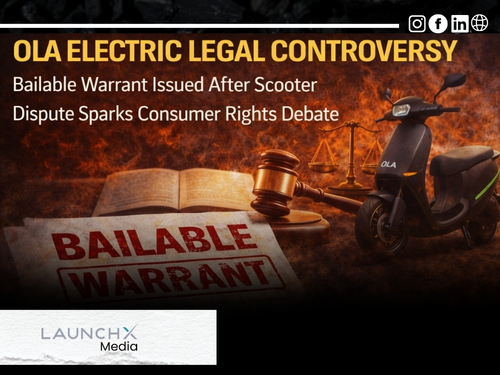

Ola Electric Legal Controversy: Bailable Warrant Issued After Scooter Dispute Sparks Consumer Rights Debate
Ola Electric Case: Shocking Legal Update – 5 Key Facts Every EV Buyer Must Know
India’s fast-growing electric vehicle ecosystem has hit a controversial moment as legal action emerges against one of the country’s most prominent EV startups. A consumer dispute related to an unreturned electric scooter has escalated into a legal matter, drawing attention to customer service accountability, startup responsibility, and the rights of EV buyers in India.
- Ola Electric Case: Shocking Legal Update – 5 Key Facts Every EV Buyer Must Know
- What Triggered the Legal Action
- Why This Case Matters for EV Customers
- Consumer Forums and Their Growing Role
- Impact on Ola Electric’s Brand Image
- EV Industry Challenges Highlighted by the Case
- Lessons for Electric Vehicle Buyers
- What Startups Can Learn From This
- Broader Implications for India’s Startup Ecosystem
- What Happens Next
- FAQs (10)
The case highlights a broader issue—how rapidly scaling startups manage post-sale support and what happens when customer grievances remain unresolved.

What Triggered the Legal Action
The matter began when a customer reportedly filed a complaint after an electric scooter submitted for servicing was not returned within a reasonable timeframe. Repeated attempts to resolve the issue allegedly failed, leading the customer to approach the consumer forum for intervention.
As the complaint progressed and responses were deemed inadequate, the consumer forum escalated the case and issued a bailable warrant against the company’s top leadership, marking a serious legal development in a customer service dispute.
This step reflects how consumer courts in India are increasingly taking strong action when companies fail to address grievances or comply with proceedings.

Why This Case Matters for EV Customers
The electric vehicle sector in India is expanding rapidly, driven by affordability, sustainability goals, and government incentives. However, customer experience remains a crucial pillar of long-term trust.
This case raises important questions:
How reliable is after-sales support in the EV industry?
Are startups equipped to handle large service volumes?
What protections exist for customers when disputes arise?
When a service issue escalates into legal action, it sends a signal to the entire market: product innovation must be matched with customer accountability.
Consumer Forums and Their Growing Role
Rising Consumer Awareness
More customers today are aware of their rights and willing to pursue legal remedies. Consumer forums are seeing increased cases related to:
delayed servicing
product defects
non-delivery or non-return of goods
warranty disputes
This trend indicates a shift from passive acceptance to active legal engagement.
Legal Accountability for Startups
Startups often focus on scaling, funding, and product development. However, consumer law applies equally to emerging companies and established brands.
Legal escalation in such cases can result in:
financial penalties
reputational damage
increased regulatory scrutiny

Impact on Ola Electric’s Brand Image
The company has positioned itself as a leader in India’s electric mobility revolution. Situations like these can influence public perception in several ways:
Trust and Reliability
Customers purchasing high-value EV products expect dependable service networks. A single unresolved case can trigger wider concern about reliability.
Social Media Amplification
Consumer complaints today spread quickly online, shaping brand narratives and affecting future buyers’ decisions.
Investor and Market Sentiment
Legal disputes involving leadership can influence investor confidence, particularly in competitive sectors like EV and mobility tech.
EV Industry Challenges Highlighted by the Case
Service Infrastructure Gap
Rapid sales growth in the EV segment has sometimes outpaced service infrastructure expansion. This creates pressure on:
spare parts supply
technician availability
service timelines
Customer Experience vs Rapid Scaling
Startups moving at high speed may struggle with operational maturity. This leads to:
delayed resolutions
inconsistent service quality
communication gaps
Regulatory Expectations Rising
As the EV sector matures, regulators and consumer bodies are becoming stricter about:
safety compliance
warranty commitments
service obligations

Lessons for Electric Vehicle Buyers
Always Document Service Requests
Maintain records of:
invoices
service receipts
complaint emails
customer care interactions
Escalate When Needed
If issues remain unresolved:
Contact higher customer support channels
Send formal written complaints
Approach consumer forums if necessary
Understand Warranty Terms
Many disputes arise from unclear expectations about repairs, replacements, and timelines.
What Startups Can Learn From This
Customer Support is Not Optional
Post-sale service is as important as product innovation. Strong systems must include:
service response timelines
escalation mechanisms
customer grievance tracking
Legal Compliance is Essential
Ignoring notices or delaying responses can worsen outcomes. Companies must:
attend hearings
respond promptly
resolve disputes proactively
Reputation Management Matters
A single unresolved case can overshadow years of brand building.
Broader Implications for India’s Startup Ecosystem
This situation represents a turning point where:
consumer rights are strengthening
startups are being held accountable
customer experience is becoming a competitive differentiator
The EV revolution will not be defined only by technology but also by trust, transparency, and service quality.
What Happens Next
Legal proceedings will determine the final outcome, but the incident already serves as a reminder:
customers have legal protection
companies must ensure service commitments
the EV sector is entering a phase of maturity and accountability
Whether this becomes an isolated case or a catalyst for industry-wide improvement depends on how companies respond moving forward.

FAQs (10)
What is the issue involving Ola Electric?
A customer complaint about a scooter not being returned after servicing led to legal action.Why was a bailable warrant issued?
It was issued after the case escalated due to alleged non-compliance or inadequate response during proceedings.Does this affect existing Ola Electric customers?
The case does not directly affect all customers but raises concerns about service reliability.Can consumers file complaints against EV companies?
Yes, consumers can approach consumer forums for unresolved disputes.What documents are needed for a consumer complaint?
Invoices, service records, communication proof, and warranty details.Is this a common issue in the EV sector?
Service delays and support gaps are emerging challenges as the sector grows rapidly.How can EV buyers protect themselves?
Keep records, understand warranty terms, and escalate issues formally.Will this impact the EV market in India?
It may increase focus on customer service standards and regulatory oversight.What should companies learn from this case?
The importance of strong after-sales service, legal compliance, and customer communication.What happens if a company ignores consumer court notices?
Legal consequences may include penalties, warrants, or stricter enforcement actions


