

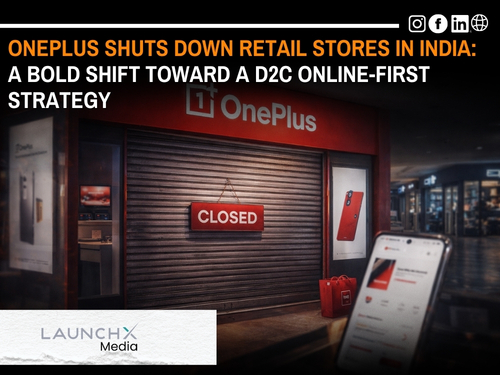

OnePlus Shuts Down Retail Stores in India: A Bold Shift Toward a D2C Online-First Strategy
OnePlus Retail Shutdown: 5 Powerful Reasons Behind Its Bold D2C Shift in India
In a significant shift that reflects changing consumer behavior, OnePlus is reportedly closing multiple exclusive retail stores across India and pivoting toward a direct-to-consumer (D2C) online-first model.
- OnePlus Retail Shutdown: 5 Powerful Reasons Behind Its Bold D2C Shift in India
- Why OnePlus Is Moving Away from Physical Stores
- Understanding the D2C Online-First Model
- Strategic Reasons Behind OnePlus’ Decision
- 1. Cost Optimization
- 2. Focus on Digital Growth
- 3. Strong E-Commerce Ecosystem
- 4. Changing Retail Dynamics
- Impact on Customers
- What About Offline Presence?
- The Bigger Trend: D2C Boom in India
- Competitive Landscape
- Challenges in Going Online-First
- Future Outlook
- Final Thoughts
- FAQs (10)
This move signals a broader transformation in the retail landscape, where digital channels are becoming the primary touchpoint between brands and consumers.
Why OnePlus Is Moving Away from Physical Stores
Changing Consumer Preferences
Over the past few years, Indian consumers have increasingly embraced online shopping, especially for electronics. Factors driving this shift include:
- Convenience of doorstep delivery
- Easy price comparisons
- Frequent online discounts
- Access to wider product ranges
For a brand like OnePlus, adapting to these preferences is essential for staying competitive.

Understanding the D2C Online-First Model
What Is D2C?
Direct-to-consumer (D2C) is a business model where brands sell directly to customers without intermediaries like retailers or distributors.
Benefits of the D2C Approach
- Better margins by eliminating middlemen
- Direct customer relationships
- Improved data insights for personalization
- Faster product launches and updates
This model allows brands to have more control over their sales and marketing strategies.
Strategic Reasons Behind OnePlus’ Decision
1. Cost Optimization
Operating physical retail stores involves high costs, including rent, staffing, and maintenance. Moving online helps reduce these expenses significantly.
2. Focus on Digital Growth
Online channels offer scalability and reach that physical stores cannot match.
3. Strong E-Commerce Ecosystem
India’s e-commerce infrastructure has matured, making it easier for brands to sell directly online.
4. Changing Retail Dynamics
The pandemic accelerated the shift toward digital, and many brands are now doubling down on online strategies.
Impact on Customers
What Changes for Buyers?
While the shift offers benefits, it also raises questions:
Pros:
- Easier access to deals and discounts
- Convenient shopping experience
- Faster delivery options
Cons:
- Reduced hands-on product experience
- Limited in-store support
- Dependence on digital platforms
What About Offline Presence?
Not a Complete Exit
It’s important to note that OnePlus is not completely abandoning offline retail. The brand may continue to:
- Partner with multi-brand retail stores
- Maintain select experience centers
- Explore hybrid retail models
This ensures a balance between online efficiency and offline engagement.

The Bigger Trend: D2C Boom in India
Why Brands Are Going Online-First
The move by OnePlus is part of a larger trend where companies are shifting to D2C models.
Key Drivers
- Increased internet penetration
- Growth of digital payments
- Rise of quick commerce and fast delivery
- Data-driven marketing capabilities
Competitive Landscape
How OnePlus Stays Ahead
In a highly competitive smartphone market, differentiation is key. OnePlus aims to stand out by:
- Delivering premium user experience
- Leveraging online channels effectively
- Building strong brand loyalty
Challenges in Going Online-First
While the D2C model offers advantages, it also comes with challenges:
- Intense online competition
- Customer acquisition costs
- Dependence on logistics and delivery networks
- Managing returns and after-sales service
Balancing these factors will be crucial for long-term success.
Future Outlook
What Lies Ahead for OnePlus
With its new strategy, OnePlus is expected to:
- Strengthen its online ecosystem
- Enhance customer engagement through digital platforms
- Invest in technology and logistics
- Explore innovative retail formats
Final Thoughts
The decision by OnePlus to shut down exclusive retail stores and move toward a D2C online-first strategy reflects a broader shift in how brands operate in today’s digital age.
As consumer behavior continues to evolve, companies that adapt quickly to new trends will lead the market. OnePlus’ move is not just a response to change—it’s a step toward shaping the future of retail in India.

FAQs (10)
- Why is OnePlus shutting retail stores in India?
To focus on its online-first D2C strategy and reduce operational costs. - What is a D2C model?
It is a model where brands sell directly to customers without intermediaries. - Will OnePlus completely exit offline retail?
No, it may continue through partnerships and select stores. - How will this impact customers?
More online convenience but less physical product experience. - Is online shopping growing in India?
Yes, rapidly due to convenience and digital adoption. - What are the benefits of D2C for brands?
Higher margins, better customer data, and direct engagement. - What challenges does this model have?
Logistics, competition, and customer acquisition costs. - Are other brands following this trend?
Yes, many brands are shifting to online-first strategies. - Will prices change due to this shift?
Possibly, as cost savings may lead to competitive pricing. - What is the future of retail in India?
A hybrid model combining online and offline experiences.


