


Zee Sues Nykaa for ₹2 Crore Over Instagram Reels Music Use: A Wake-Up Call for Digital Brands
Zee vs Nykaa: ₹2 Crore Lawsuit Over Instagram Music Use Explained
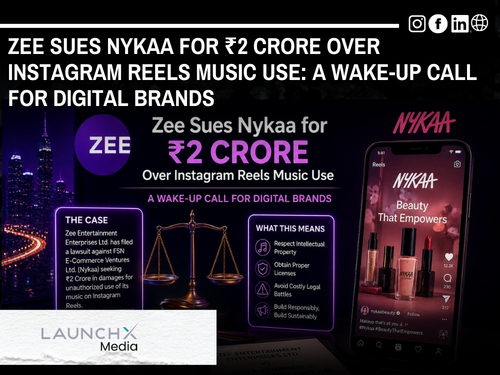
In a significant legal development that has caught the attention of both the media and startup ecosystems, Zee has filed a lawsuit against Nykaa in the Delhi High Court. The case revolves around the alleged unauthorized use of copyrighted music in Instagram reels, with Zee seeking damages of ₹2 crore.
- Zee vs Nykaa: ₹2 Crore Lawsuit Over Instagram Music Use Explained
- What Triggered the Zee vs Nykaa Legal Battle?
- Understanding Copyright in the Age of Instagram Reels
- The Rise of Content-Driven Marketing—and Its Risks
- Impact on Nykaa: More Than Just a Legal Case
- What This Means for the Startup Ecosystem
- Expert Insight: Why Copyright Matters More Than Ever
- Legal Perspective: What Could Happen Next?
- Best Practices for Brands Using Music Online
- 1. Always Check Licensing Rights
- 2. Use Royalty-Free or Original Music
- 3. Consult Legal Experts
- 4. Train Marketing Teams
- The Bigger Picture: Digital Marketing Is Maturing
- Future Outlook: What Brands Should Expect
- Conclusion: A Wake-Up Call for the Digital Age
- Official Websites
While at first glance this may seem like a routine corporate dispute, it highlights a much larger issue—how brands use music and content on social media platforms, often without fully understanding copyright implications.
This case could set an important precedent for digital marketing practices in India.

What Triggered the Zee vs Nykaa Legal Battle?
Allegations of Copyright Infringement
Zee, a major media and entertainment company, claims that Nykaa used its copyrighted music tracks in promotional Instagram reels without obtaining proper licenses.
According to the claims:
- The music was used in branded content
- The usage was commercial in nature
- Necessary permissions or licensing agreements were not secured
As a result, Zee has approached the Delhi High Court seeking compensation of ₹2 crore.
Why This Case Matters
This is not just about two companies—it’s about how intellectual property is handled in the digital age.
With brands increasingly relying on platforms like Instagram for marketing, the lines between “casual content” and “commercial usage” are often blurred.
Understanding Copyright in the Age of Instagram Reels
Music Licensing: What Brands Need to Know
When individuals use music on social media for personal purposes, platforms often provide a library of licensed tracks.
However, for brands and businesses:
- Commercial use requires explicit licensing
- Not all platform-provided music is cleared for promotional content
- Using copyrighted material without permission can lead to legal action
The Difference Between Personal and Commercial Use
This distinction is critical:
- Personal use: Sharing content casually, usually covered under platform agreements
- Commercial use: Promoting products or services, which requires additional rights
Nykaa’s case falls into the latter category, making it subject to stricter rules.
The Rise of Content-Driven Marketing—and Its Risks
Why Brands Love Instagram Reels
Short-form video content has become one of the most effective marketing tools.
Brands use reels to:
- Increase engagement
- Reach younger audiences
- Showcase products creatively
Music plays a key role in making content more appealing and shareable.
The Hidden Legal Risks
Despite its popularity, this approach comes with risks:
- Copyright violations
- Platform policy breaches
- Financial penalties
- Reputation damage
Many brands underestimate these risks, assuming platform tools automatically cover all legal requirements.
Impact on Nykaa: More Than Just a Legal Case
Financial and Reputational Implications
While ₹2 crore may not significantly impact a large company financially, the reputational aspect is more critical.
Legal disputes can:
- Affect brand image
- Raise questions about compliance practices
- Influence customer trust
A Learning Moment for D2C Brands
Nykaa’s situation serves as a reminder for all D2C and e-commerce brands to:
- Review content creation processes
- Ensure proper licensing
- Train marketing teams on copyright laws
What This Means for the Startup Ecosystem
Increased Legal Awareness
Startups often focus on growth and marketing, sometimes overlooking legal compliance.
This case highlights the need for:
- Strong legal frameworks
- Awareness of intellectual property rights
- Proactive risk management
The Cost of Ignorance
Failing to understand copyright laws can lead to:
- Expensive lawsuits
- Operational disruptions
- Loss of investor confidence
Expert Insight: Why Copyright Matters More Than Ever
The Value of Intellectual Property
In today’s digital economy, content is a valuable asset.
Music, videos, and creative works are protected under copyright laws to ensure creators are compensated for their work.
Brands as Content Creators
Modern brands are no longer just sellers—they are content creators.
This means they must adhere to the same rules as media companies when it comes to using copyrighted material.
Legal Perspective: What Could Happen Next?
Possible Outcomes of the Case
The court may:
- Order Nykaa to pay damages
- Direct removal of infringing content
- Encourage settlement between parties
Precedent for Future Cases
This case could influence how similar disputes are handled in the future, especially involving social media content.

Best Practices for Brands Using Music Online
1. Always Check Licensing Rights
Ensure that music used in promotional content is properly licensed.
2. Use Royalty-Free or Original Music
This reduces legal risks and gives brands more creative control.
3. Consult Legal Experts
A quick legal review can prevent costly mistakes.
4. Train Marketing Teams
Educating teams about copyright laws is essential for compliance.
The Bigger Picture: Digital Marketing Is Maturing
This case reflects a broader trend—the maturation of digital marketing in India.
As the industry grows:
- Regulations are becoming stricter
- Legal scrutiny is increasing
- Professional standards are rising
Brands can no longer afford to ignore compliance.
Future Outlook: What Brands Should Expect
Stricter Enforcement
We can expect:
- More lawsuits
- Greater platform accountability
- Increased awareness of copyright laws
Shift Toward Responsible Marketing
Brands will likely adopt:
- Ethical content practices
- Licensed and original content strategies
- Better compliance systems
Conclusion: A Wake-Up Call for the Digital Age
The Zee vs Nykaa case is more than just a legal dispute—it’s a wake-up call for the entire digital marketing ecosystem.
As brands continue to leverage social media for growth, understanding and respecting intellectual property rights is no longer optional—it’s essential.
For startups and established companies alike, this moment offers a valuable lesson: innovation must go hand in hand with responsibility.
Official Websites
Zee: https://www.zee.com
Nykaa: https://www.nykaa.com

- FAQs (10)
- Why did Zee sue Nykaa?
For alleged unauthorized use of copyrighted music in Instagram reels. - How much compensation is being claimed?
Zee is seeking ₹2 crore in damages. - Where was the case filed?
In the Delhi High Court. - What is copyright infringement?
Using protected content without permission from the owner. - Can brands use Instagram music freely?
Not always—commercial use often requires separate licensing. - What is the risk of using copyrighted music?
Legal action, fines, and reputational damage. - What should brands do to avoid such issues?
Use licensed or royalty-free music and consult legal experts. - Does this affect small startups too?
Yes, copyright laws apply to all businesses regardless of size. - What could be the outcome of the case?
Settlement, damages, or court orders to remove content. - Why is this case important?
It highlights the importance of legal compliance in digital marketing.


