

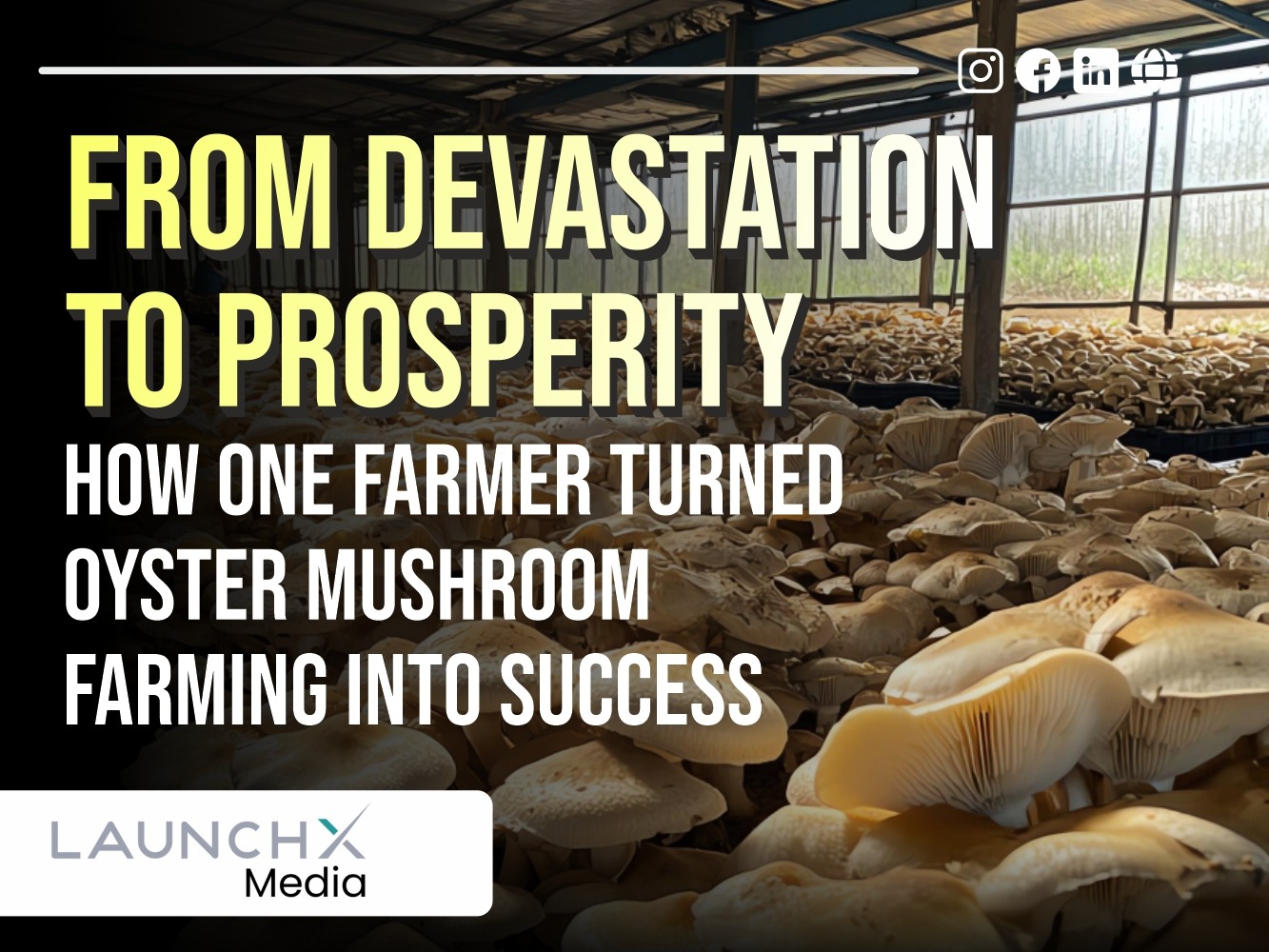

From Devastation to Prosperity: How One Farmer Turned Oyster Mushroom Farming Into Success
From Cyclone Devastation to Mushroom Success: 7 Inspiring Lessons From an Indian Farmer
Life has a way of testing us in unexpected ways. This is true for one farmer whose journey took him from the brink of despair—having lost his farmland to a cyclone and battling the debilitating effects of spondylitis—to cultivating value-added oyster mushrooms that not only revived his livelihood but also set a powerful example for sustainable agriculture.
- From Cyclone Devastation to Mushroom Success: 7 Inspiring Lessons From an Indian Farmer
- The Storm That Changed Everything
- Discovering Oyster Mushroom Farming
- Value Addition – The Game Changer
- Lessons in Resilience and Innovation
- What This Means for Indian Agriculture
- Advice to Aspiring Farmer-Entrepreneurs
- FAQs (10)
In an era where climate shocks and health challenges disrupt traditional farming, this story stands out as a beacon of hope for rural innovators and agricultural entrepreneurs.
The Storm That Changed Everything
A few years ago, heavy cyclonic winds and unrelenting rain battered his farmland. What was once fertile land brimming with crops was left in ruins—topsoil eroded, irrigation systems destroyed, and his family’s future in jeopardy.
For many farmers in similar situations, this might have been the end of the road. But for him, it became the beginning of a new chapter.
Coping With Physical Pain
Adding to the emotional and financial strain was spondylitis, a chronic spinal condition that made physical labor extraordinarily painful. Traditional farming methods became nearly impossible, and he had to think creatively about what he could do next.

Discovering Oyster Mushroom Farming
Like many farmers, he began researching alternatives that would fit his physical limitations and offer economic promise. That’s when he stumbled upon oyster mushroom cultivation—a venture that combines low physical strain with relatively high returns.
Oyster mushrooms are known for:
Quick turnaround time
Minimal input costs
High market value
Nutritional and medicinal benefits
But beyond these advantages, what appealed to him most was the idea of adding value to his produce, rather than selling raw mushrooms alone.

Value Addition – The Game Changer
Instead of selling just fresh mushrooms, he explored value-added products—items such as:
Dried oyster mushroom flakes
Mushroom pickles and chutneys
Mushroom powder for soups and health mixes
Ready-to-use culinary kits
These products appeal to urban consumers seeking convenience, nutrition, and premium quality. Packaging, branding, and storytelling helped differentiate his offerings in a crowded market.
Branding with Purpose
By positioning his products as:
Organic
Locally sourced
Health-oriented
He tapped into a growing segment of health-conscious buyers. Restaurants, gourmet food stores, and online marketplaces became key channels for distribution.
Lessons in Resilience and Innovation
His story isn’t just about mushrooms—it’s about resilience, adaptability, and smart agricultural entrepreneurship.
1. Embracing Change
Instead of clinging to old farming methods, he evaluated alternatives that suited his physical limitations and market demand.
2. Thinking Beyond the Field
He discovered that raw produce often earns thin margins. Adding value by processing and packaging expanded his earning potential significantly.
3. Combining Tradition With Technology
By using basic digital marketing tools and smartphone photography, he promoted his products to a wider audience, increasing visibility and sales.

What This Means for Indian Agriculture
The agricultural sector in India faces dual pressures: climate disruptions and shifting consumer preferences. Stories like this show that sustainable change can stem from small adaptations with big impact.
Oyster mushroom farming:
Requires less water compared to conventional crops
Thrives on agricultural waste products like straw and sawdust
Offers a path to diversified income for smallholder farmers
In an age where climate resilience and sustainable livelihoods are policy priorities, such models offer scalable insights for rural development.
Advice to Aspiring Farmer-Entrepreneurs
If you’re intrigued by his journey and considering something similar, here are a few takeaways:
Start Small and Scale Strategically
Begin with a manageable production unit and expand as you understand the market better.
Learn Value Addition Early
Think beyond the crop. Process, package, and brand to tap premium segments. Simple packaging like jars or pouches can change product perception and price points.
Use Online Platforms
E-commerce, social media, and local aggregator services can greatly increase customer reach with minimal investment.

FAQs (10)
What makes oyster mushroom cultivation profitable?
Oyster mushrooms have low input costs, quick growth cycles, and strong market demand—especially for value-added products.What conditions do oyster mushrooms need?
They grow well in controlled environments with moderate humidity and temperature, making them suitable for small spaces.Can mushroom farming be started with limited physical labor?
Yes. Compared to field crops, mushroom farming requires less strenuous activity and can be adapted to physical constraints.What are value-added mushroom products?
These include dried mushrooms, mushroom powder, pickles, chutneys, and ready-to-use culinary kits.How does branding help mushroom farmers?
Strong branding helps differentiate products, attract premium buyers, and build customer loyalty.Is digital marketing important for small farm businesses?
Yes. Online presence increases visibility and can open new sales channels.Can mushroom farming be combined with other crops?
Yes, many farmers integrate mushrooms into mixed farming systems for diversified income.Is oyster mushroom farming sustainable?
Yes. It uses agricultural waste and requires less water compared to many traditional crops.How do you start mushroom farming with low investment?
Begin with basic infrastructure, train in cultivation techniques, and leverage value addition for better margins.What type of markets buy value-added mushroom products?
Urban grocery stores, organic food shops, online marketplaces, and restaurants often seek premium mushroom products.


