

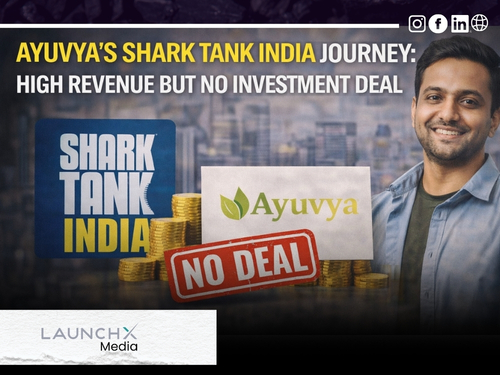

Ayuvya’s Shark Tank India Journey: High Revenue But No Investment Deal
Why Sharks Rejected Ayuvya on Shark Tank India Despite ₹51 Crore in Revenue
Ayuvya, an emerging ayurvedic wellness brand, made headlines when its founders stepped into the Shark Tank India spotlight with impressive financial numbers — including ₹51.5 crore in revenue in FY24-25 and projected growth in the following year. Yet despite this notable performance, the entrepreneurial trio exited the Tank without securing any investment. What happened? Why did Shark investors pass on a company with promising topline results? Let’s analyze.
- Why Sharks Rejected Ayuvya on Shark Tank India Despite ₹51 Crore in Revenue
- The Pitch That Grabbed Attention
- Why Numbers Alone Weren’t Enough
- 1. Growth vs. Growth Quality: Repeat Customers & Sustainability
- 2. Marketing Strategy Under Scrutiny
- 3. Clinical Trials & Trust: The Central Disconnect
- Broader Insights: What This Rejection Means for Startups
- 1. Revenue Is Necessary, But Not Sufficient
- 2. Scientific Validation Matters in Wellness Markets
- 3. Brand and Marketing Strategy Can Make or Break Deals
- Final Outcome: No Deal, But Learning Gained
- FAQs

The Pitch That Grabbed Attention
When founders Tanishk Pandey, Astha Jain, and Pawanjot Kaur entered Shark Tank India Season 5, they presented not just one but two brands: Ayuvya and ImFresh, seeking ₹1 crore for 0.5% total equity, implying a valuation of ₹200 crore for both entities.
Their opening numbers were strong — ₹51.5 crore in annual revenue with projections of ₹70 crore next year — and instantly captured the Sharks’ attention. Revenue figures of this scale are rare for young D2C wellness brands in India, especially in the ayurveda and natural health segment.

Why Numbers Alone Weren’t Enough
Despite the impressive topline, key weaknesses emerged during the conversation.
1. Growth vs. Growth Quality: Repeat Customers & Sustainability
Soon after praising Ayuvya’s remarkable revenue, the Sharks shifted their focus to deeper business fundamentals. One investor noted that while the revenue looked big, the growth rate was slowing year-on-year, and the founders couldn’t clearly articulate customer repeat purchase behaviour — a vital metric for assessing long-term sustainability.
This raised a critical question: Was Ayuvya building a loyal customer base, or simply making one-time sales?
2. Marketing Strategy Under Scrutiny
Another point of contention was Ayuvya’s social media advertising strategy. One Shark criticized the poor quality of their video advertisements, calling them subpar for a brand aspiring to be premium.
The founders defended their approach, suggesting that so-called “ugly ads” — low-production, authentic content — resonated with modern audiences. However, the Sharks remained unconvinced, asserting that good brand marketing is not just about raw authenticity but strategic positioning.
This reaction highlights a broader trend: investors are increasingly valuing sophisticated digital branding, even for traditional or wellness products.
3. Clinical Trials & Trust: The Central Disconnect
Perhaps the most decisive factor that discouraged investment was the absence of formal clinical trials for Ayuvya’s products.
While the founders explained that the formulations were based on ancient Ayurvedic texts and traditional practice, the Sharks cited concerns over scientific validation and consumer trust — particularly for products marketed as health or wellness solutions.
One Shark summed it up succinctly:
“Pehle vishwas banao” — meaning, Build trust before treatment.
When potential customers and investors are considering products with health claims, clinical credibility can often outweigh historical or traditional backing.

Broader Insights: What This Rejection Means for Startups
The Ayuvya case offers valuable lessons for Indian founders — especially in sectors like wellness, ayurveda, and health care.
1. Revenue Is Necessary, But Not Sufficient
Impressive revenue can get you noticed, but investors look for repeatability, consistency, and deep consumer insights — not just top-line figures. A startup must be able to explain its churn rate, conversion cycle, and customer retention strategy so backers can forecast future growth with confidence.
2. Scientific Validation Matters in Wellness Markets
Even traditional practices like Ayurveda now operate in a modern marketplace that values evidence-based products. Clinical trials or scientifically valid data help build essential trust signals for consumers and investors alike.
3. Brand and Marketing Strategy Can Make or Break Deals
Marketing isn’t just content creation — it’s how you position your brand in a crowded space. A savvy marketing strategy backed by data and creator-level analytics can help turn casual buyers into loyal ambassadors — a metric investors prize even more than initial revenue.

Final Outcome: No Deal, But Learning Gained
In the end, no Shark made an investment offer, and Ayuvya left without a deal. This outcome doesn’t diminish the founders’ achievements, but it does underscore the evolving expectations of Indian investors and the high standards now shaping the startup ecosystem.
For many viewers and founders watching at home, the takeaway is clear: Growth without trust is fragile growth. To thrive in India’s thriving but competitive startup landscape, founders must build both numbers and belief — in their products, brand, and customers.

FAQs
Why was Ayuvya rejected on Shark Tank India despite earning ₹51.5 crore?
Investors were concerned about brand trust, lack of clinical trials, unclear customer repeat metrics, and weak marketing strategy.Did Ayuvya ask for too much valuation on Shark Tank India?
The ₹200 crore valuation for two brands was ambitious given the lack of clear proof of repeatability and brand ecosystem.Were any Sharks interested in Ayuvya’s products?
Sharks showed initial interest due to revenue but dropped out after understanding the challenges around product validation and trust.What did the Sharks criticize about Ayuvya’s advertising?
They felt the ads were low quality and not strategic enough to build a strong brand.Is clinical testing necessary for Ayurvedic startups?
While not legally required, clinical validation significantly enhances consumer trust and investor confidence.Will Ayuvya still grow after appearing on Shark Tank India?
Many startups see a sales spike post-episode, even without a deal, as media exposure drives brand awareness.What’s the main investor takeaway from this pitch?
High revenue means little without repeat customers, product validation, and sustainable business metrics.Do all Shark Tank India deals finalize after the show?
Many deals fall apart during due diligence; some on-air agreements never close.Can Ayurvedic brands succeed without scientific trials?
Yes, but they must build trust through results, customer reviews, and transparent communication.How should startups better prepare for investor pitches?
Focus on clear metrics like customer retention, validated claims, product testing data, and strong brand narratives.


